Mediterranean Prehistory and
Paleoecology Laboratory
UC Santa Barbara

People
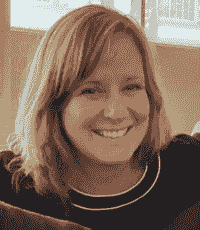
Sarah B. McClure, Ph.D.
Professor, Department of Anthropology, UC Santa Barbara
Associate Dean, Divising of Undergraduate Education
Director, Mediterranean Prehistory and Paleoecology Laboratory
Director, Zooarchaeology Laboratory
I am an environmental archaeologist and I study the environmental and social impacts of the spread of agriculture worldwide, but my work focuses primarily on early farming in the Mediterranean and Europe 8000-5000 years ago. I joined the Department of Anthropology at UCSB in 2019. Prior to this I was first an Assistant and then Associate Professor in Anthropology at Penn State and an Assistant Professor at the University of Oregon. I am a Santa Barbara boomerang: I completed my doctoral studies here in 2004 and am excited to be back!
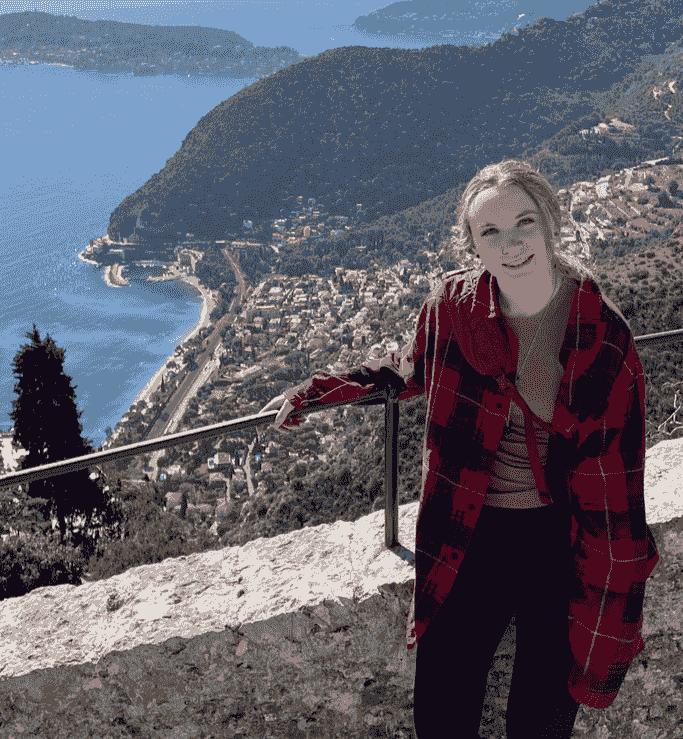
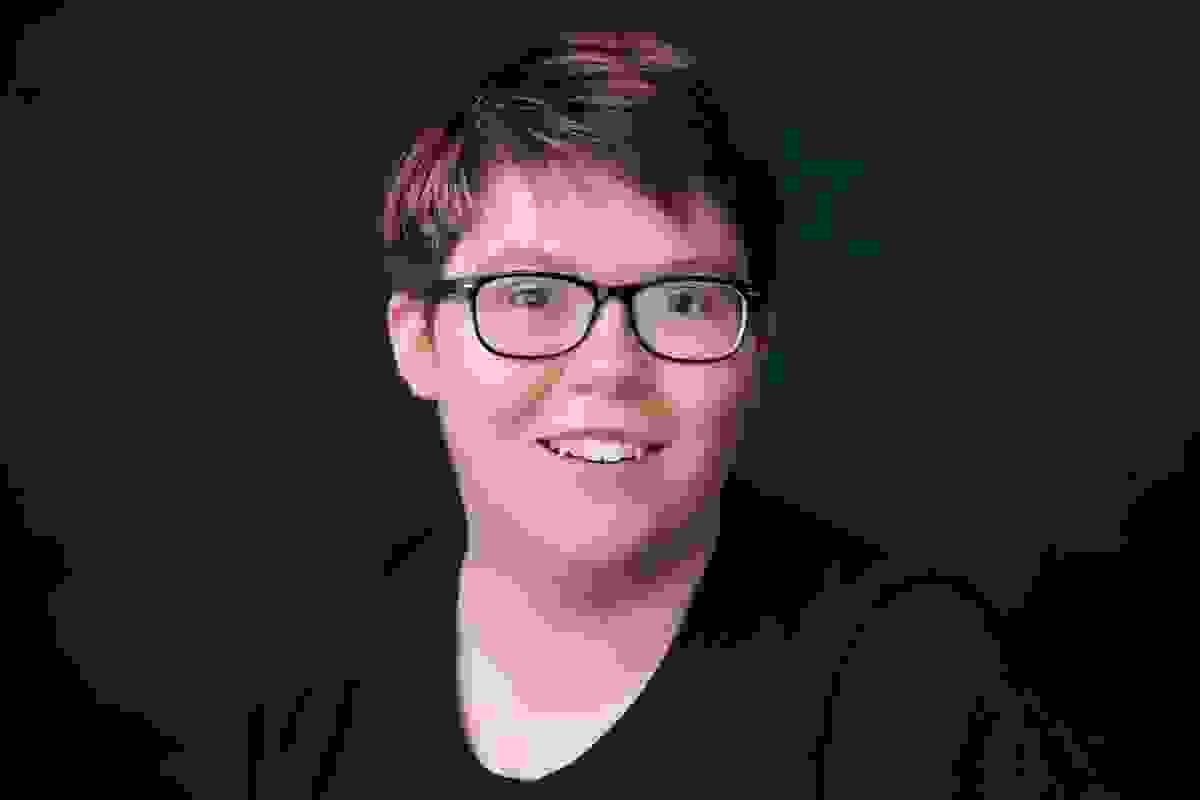
Signe Aspengren, MA
Ph.D. student
My research focus is on social complexity and inequality in Eastern Europe through zooarchaeology. I use foodways as a proxy for status to study inequality on both temporal and spatial scales. I want to better understand how social stratification developed from the Neolithic into the Bronze Age, especially as it relates to new technological advancements. I am also interested in looking at inter-site differences within a region to better understand regional trade networks and hierarchies.
Katy Stehr, MSc., M.A.
Ph.D. student
My focus is on the association between humans and dogs in thepast, particularly those that would be considered “working dogs” today.My main interest is in how the human-dog relationship changed or shifted withthe domestication of other species during the Neolithic and beyond.After going to field school at Spike Island in 2018, I obtained my MSc inBioarchaeology from the University of York. Check out my website for more!
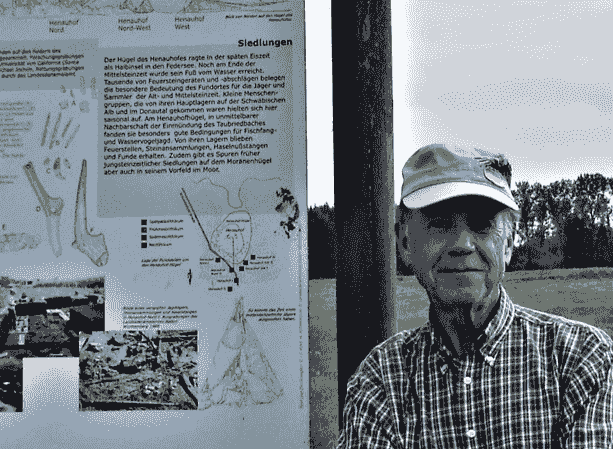
Michael Jochim, Ph.D.
Professor emeritus
I am continuing my research on the Palaeolithic and Mesolithic of central Europe, particularly in southwestern Germany. Two new articles are currently in press, one examining the intrasite patterning of four Mesolithic sites in Germany, the other on the late- and postglacial colonization of the Alps, comparing these processes between the north (Germany and Switzerland) and the south (Italy). Another article, currently submitted, investigates how postglacial adaptations in southern Germany and Switzerland led to a feedback loop resulting in niche construction.
Spaces

Mediterranean Prehistory and Paleoecology
HSSB 1029
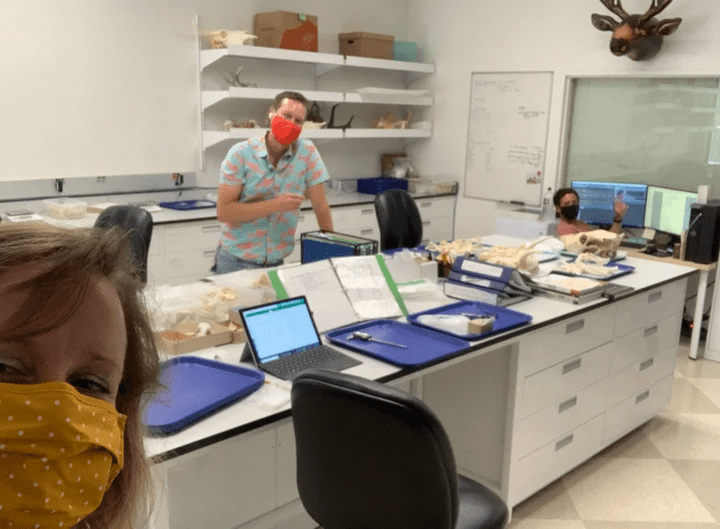
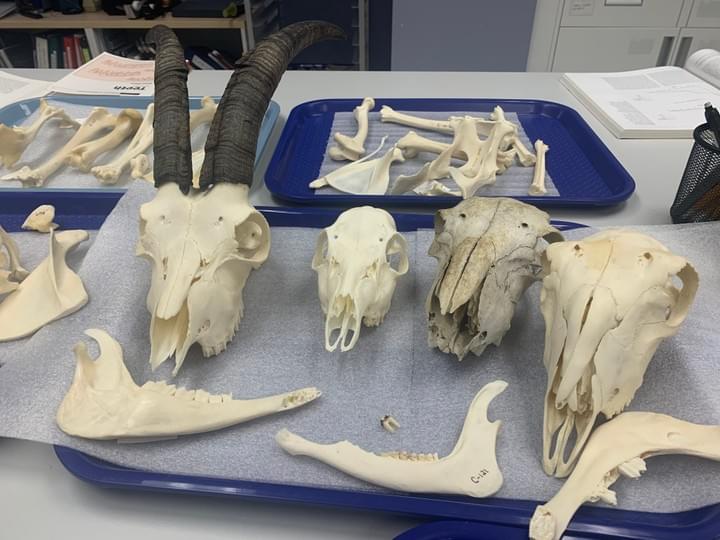
- Comparative collections focused on Mediterranean species, mostly mammals
- Ceramic analysis tools
- Computing, GIS, and standard analytical capabilities
- Dedicated work spaces and open benchtop areas
- Lab manual library
- Teleconference set up
- Direct access to outdoor processing space
- Olympus BX53M polarizing light microscope

Faunal Lab - Anthropology Department
HSSB 1013
- The UCSB Faunal lab houses comparative skeletal collections, mostly of mammal, fish, and bird species found in North America
- General research and teaching space for undergrads, grad students, and faculty
- Basic analytical capabilities
- Open bench space for analysis
- Houses the Walker Teaching Collection for Zooarchaeology
Alumni
We are so lucky to have many students come through the lab. Here's a selection of our alumni.
We are proud of you!

Martin Welker, PhD.
Associate Curator of Zooarchaeology,
Arizona State Museum
Associate Professor of Anthropology
University of Arizona, Tucson
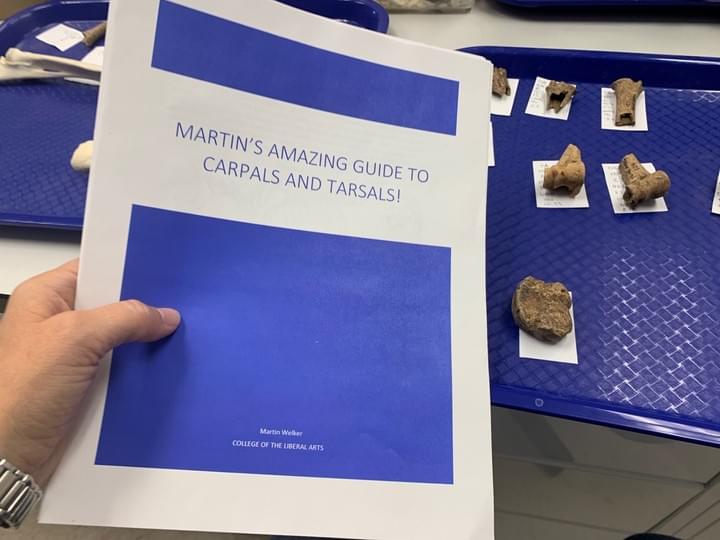
Martin is an anthropological archaeologist, specializing in zooarchaeology. His research focuses on understanding human-environmental interaction, domestic animal management, and roles played by domesticates in human societies.

Emily Zavodny, PhD.
Associate Professor of Anthropology,
University of Central Florida
Emily is an environmental archaeologist specializing in zooarchaeology, bioarchaeology, and isotope geochemistry. Her research investigates how prehistoric human and animal populations successfully adapted to uncertainty and risk posed by marginal landscapes, resource scarcity, and/or changing climate and environments. She is additionally interested in how studying past resilience, sustainability, and biodiversity can help us approach present-day social and environmental problems.

Melissa Teoh, M.A.
Contract Archaeologist
Bonneville Power Authority, Portland, Oregon
Melissa is a socially engaged archaeologist who is interested in increasing public engagement and understanding of archaeology, cultural resource protection, and Native histories and rights.

Paige Lynch, PhD.
Postdoctoral Scholar
University of North Texas Health Science Center
Paige is a bioarchaeologist examining the health of past populations in Romania.

Hugh Radde, Ph.D.
Hugh is a zooarchaeologist with research interests in human-environment dynamics, paleoecology, and ichthyology. His archaeological work focuses on human settlement and subsistence on the California Channel Islands.
In his current role, Hugh leads UC Santa Barbara's repatriation efforts in compliance with the UC Policy on Native American Cultural Affiliation and Repatriation. He is responsible for consulting with lineal descendants, tribes, and Native Hawaiian organizations; identifying and reporting all Native American ancestors and other cultural items; and coordinating the repatriation of ancestors and cultural items. He serves as the point of contact for all NAGPRA inquiries at UCSB.

Shayla Monroe, Ph.D.
Shayla is a zooarchaeologist and her research addresses three broad research emphases: African pastoralism (past and present), pastoralist/non-pastoralist relations in the ancient Nile Valley, and the role of animals in Nile Valley ritual practice.
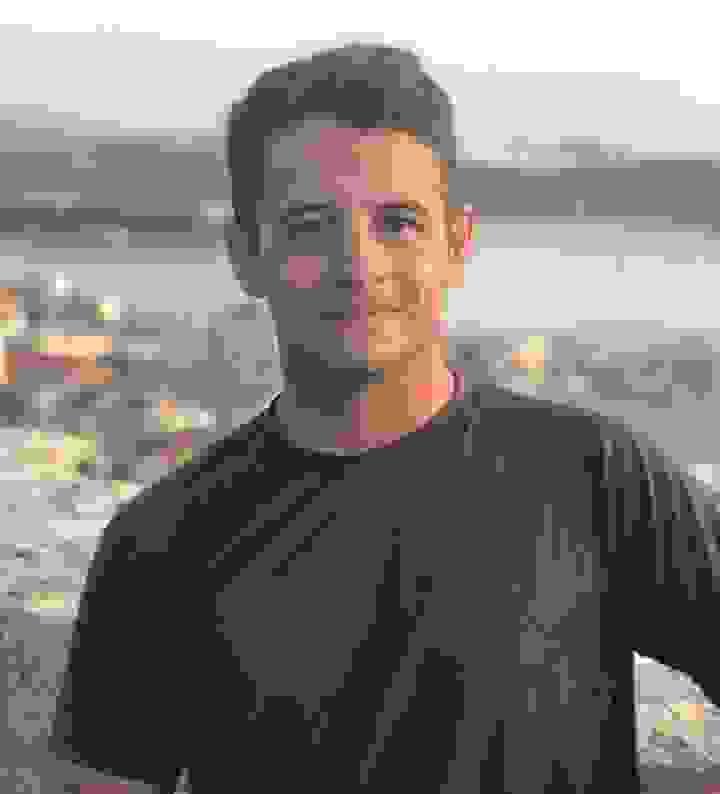
Nick Triozzi, PhD
Nick is a computational archaeologist with research interests in landscape archaeology, ecological niche construction, life history strategies of agro-pastoral societies, human-environment interactions, place formation, decision making, navigation, and computational analytics. His current work examines risk and Neolithic farming strategies on the Dalmatian coast using a combination of excavation, stable isotopes, ecological modeling, and AMS radiocarbon dating.
Affiliations
Check out these great institutions and associations our lab members are affiliated with:
Publications
Interested in learning more?

Check out our Google Scholar pages for the most updated list of publications!
Signe Aspengren
Katy Stehr

Coming Soon:
Lab procedure resources!
Photos & Videos
People, sights and sounds from the lab and beyond