Welcome!
I am an archaeologist studying
human-environmental interactions in the past

Archaeologist
Professor
Writer
National Geographic Explorer
My research is grounded in ecological theory and I address questions of environmental and social impacts of animal domestication, food acquisition strategies, adaptations to shifting natural and social environments, and demographic change. I direct the Mediterranean Prehistory and Paleoecology Laboratory and Zooarchaeological Laboratory at UC Santa Barbara.
As a Professor of Anthropology at UC Santa Barbara I teach courses at all levels: from World Archaeology to specialized courses in European prehistory and Zooarchaeology, and graduate seminars on the history of archaeological theory.
As an Associate Dean of Undergraduate Education in the College of Letters and Sciences I help lead college-wide initiatives and administer educational programs, scholarships, and student-centered services.
My writing spans many formats: scientific journals, books, OpEds, and blog posts.
I speak at national and international conferences, public libraries, museums, and conduct workshops for school groups.
I have been a National Geographic Explorer since 2007 with archaeological projects in Spain and Croatia.
Research
I study the environmental and social impacts of the spread of agriculture worldwide, but my work focuses primarily on the last hunter-gatherers and early farming in the Mediterranean and Europe
9000-5000 years ago
The origins and spread of farming during the Holocene were a turning point for human-environmental interaction, health, nutrition, disease, and increasing social complexity. My research centers on the social and ecological impacts and legacies of early farming populations that have implications for today’s issues of the adaptability and resilience of small-scale farming and biodiversity under shifting environmental, climatic, and demographic conditions. I approach the transition to agriculture comparatively by studying two main areas: the gateway to European agriculture in the eastern Adriatic (Dalmatia, Croatia); and impacts of early farming in the arid western Mediterranean (Valencia, Spain).

Neolithic Dalmatia
ongoing
I have been working on the Dalmatian coast of Croatia with Emil Podrug (Šibenik City Museum) since 2008. By excavating sites, working on existing collections, and using innovative technologies, we are helping to define the nature and timing of early farming societies in the eastern Adriatic region.
Check out our work on the earliest cheese in the Mediterranean, and stay tuned for more discoveries on nature of farming practices and their implications for long-term sustainability.

Krivače and Ostravica Paleolake
ongoing
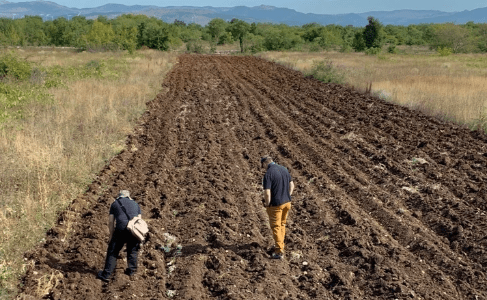
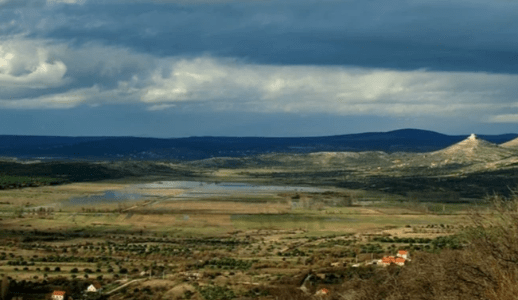
Recent excavation and coring by our collaborative team has demonstrated the existance of a paleolake next to the Neolithic site of Krivače. This lake dates back 11,000 years and dried up around 4000 years ago. Pollen and other markers from lake cores provide an environmental record that gives us the unique opportunity to study the effects of early farming on the environment. Funded by the National Geographic Society, this research is changing our understanding of how early farmers adapted to environmental change by shifting animal management strategies and technologies.

Mesolithic and Neolithic in Spain
ongoing
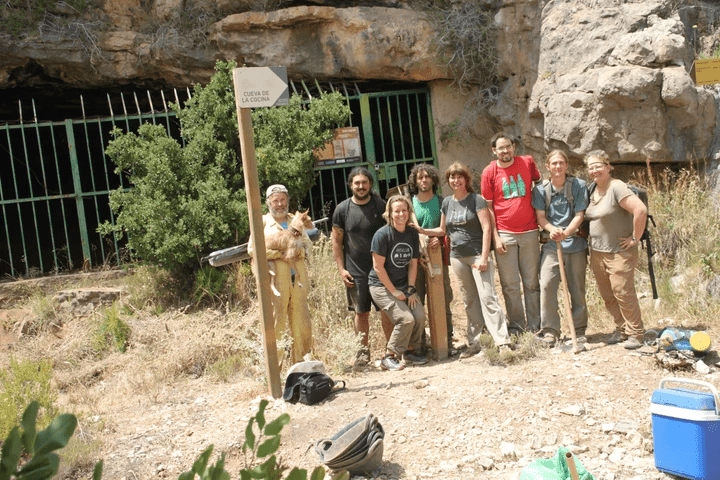
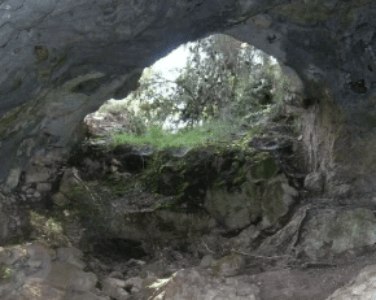
I have been working with colleagues at the University of Valencia in Spain since 1998. Most recently I co-directed with Oreto García Puchol and J. Juan Cabanilles a re-evaluation of Cueva de la Cocina, a Mesolithic-Neolithic transition period site in eastern Spain. The site was extensively excavated in the 1940s and 1970s, but much of the material was never analyzed. This is an amazing site with thousands of stone tools, art in the form of engraved stone slabs (plaquettes), food debris, and human remains. Important for models of the transition to agriculture in the western Mediterranean, this site is proving itself to be an incredible document of the region's last hunter-gatherers prior to the arrival of farming.

Cova de la Pastora, Spain
2007-2015
Oreto García Puchol and I directed excavations at the site of Cova de la Pastora in 2007-2008, another National Geographic Society funded expedition. This site is a mass burial site with the remains of over 70 individuals interred with numerous grave goods. Excavated in the 1940s, it was long thought to be evidence of the emergence of social inequality during the Late Neolithic. Our research has shown, however, that the cave was in use over a much longer period of time and that there was no indication of a special status of individuals.
Writing
Academic and Public Writing
Check out my Google Scholar page for the most updated list of research publications
Fulcrum
March 5, 2026
Public Seminar
October 23, 2025
With Annie K. Lamar
Visible Magazine
December 18, 2025
Common Dreams
April 9, 2025

Local News Matters
May 16, 2025
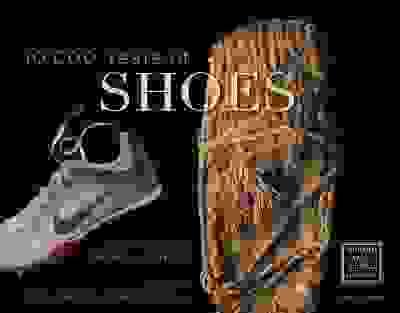
Book:
10,000 Years of Shoes
Eugene, OR 2011
Edited with Jon Erlandson; photos by Brian Lanker
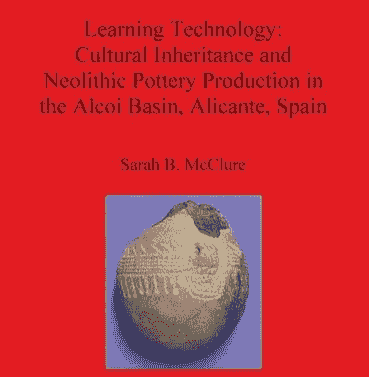
BAR International;
Oxford, UK 2011
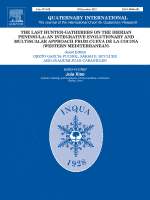
Special Issue:
Quaternary International
2023
Edited with Oreto García Puchol and Joaquim Juan Cabanilles
Presenting
I've been teaching in higher education for over 20 years and joined the faculty at UCSB in 2019 after several years at Penn State and the University of Oregon.
University Classes
I teach a wide range of undergraduate classes and graduate seminars, including World Archaeology, European Prehistory, People of the Ice Age, Ancient Food Production, Zooarchaeology, and History of Archaeological Theory
Conferences, Workshops, Invited Lectures
I regularly present research at national and international conferences and invited workshops. Most recently I've given invited talks at the University of Southhampton (UK), UC Santa Cruz, and the University of Michigan, Ann Arbor
Public Speaking
I love presenting to public audiences and have given lectures on my research at museums and libraries around the US, including locally at the Santa Barbara Museum of Natural History and Goleta Valley Public Library
Leadership and Service
or: the administrative side of my professional life
University
I have extensive experience in University leadership and service, including:
- Associate Dean in Undergraduate Education for the College of Letters and Sciences
- Department Chair in Anthropology (AY21/22)
- UCSB Representitive, Academic Advisory Committee, UC Washington Center (UCDC)
- Membership on Department and University-wide committees
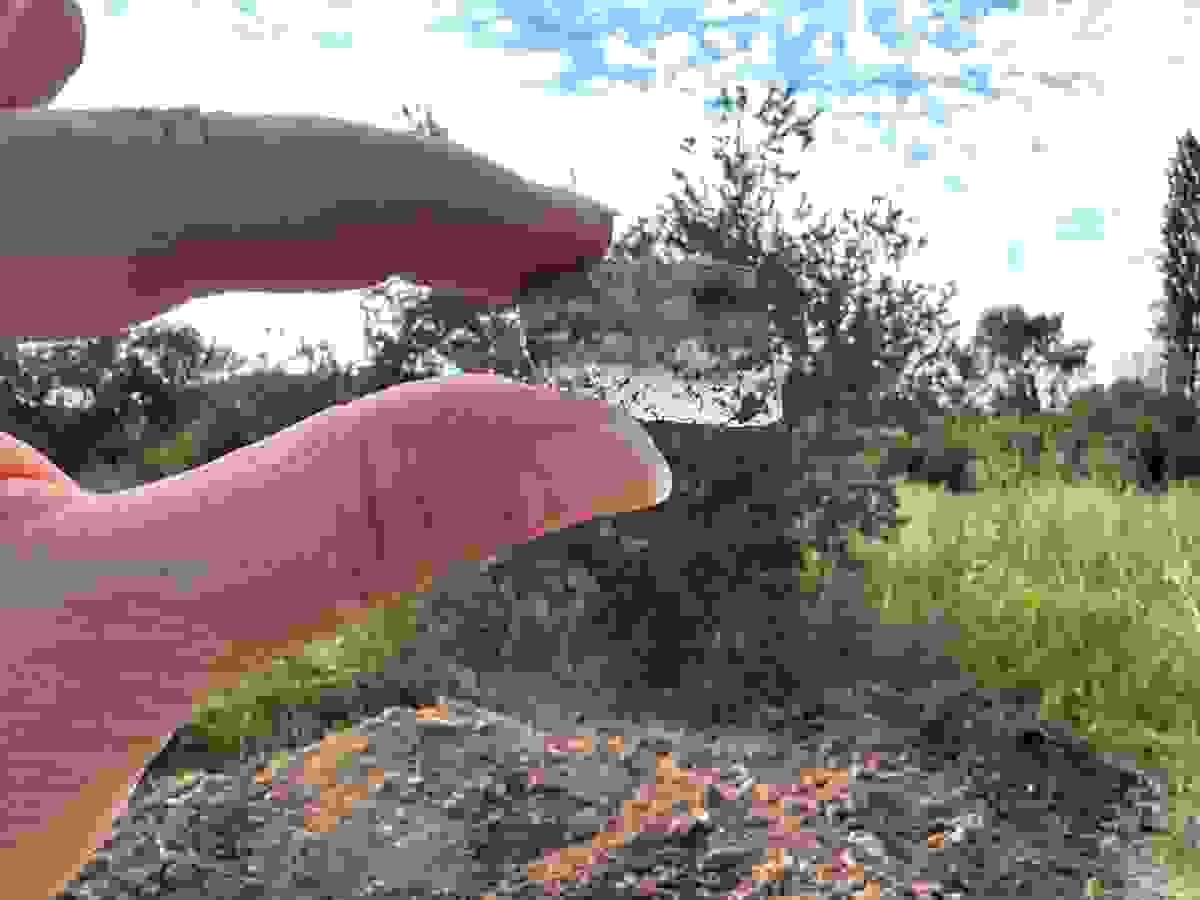
Professional and Discipline
Activities include:
- Membership on Editorial Boards
- Committees for professional organizations
- Scientific Advisory board member for several conferences
- Reviewer for scientific journals and funding agencies
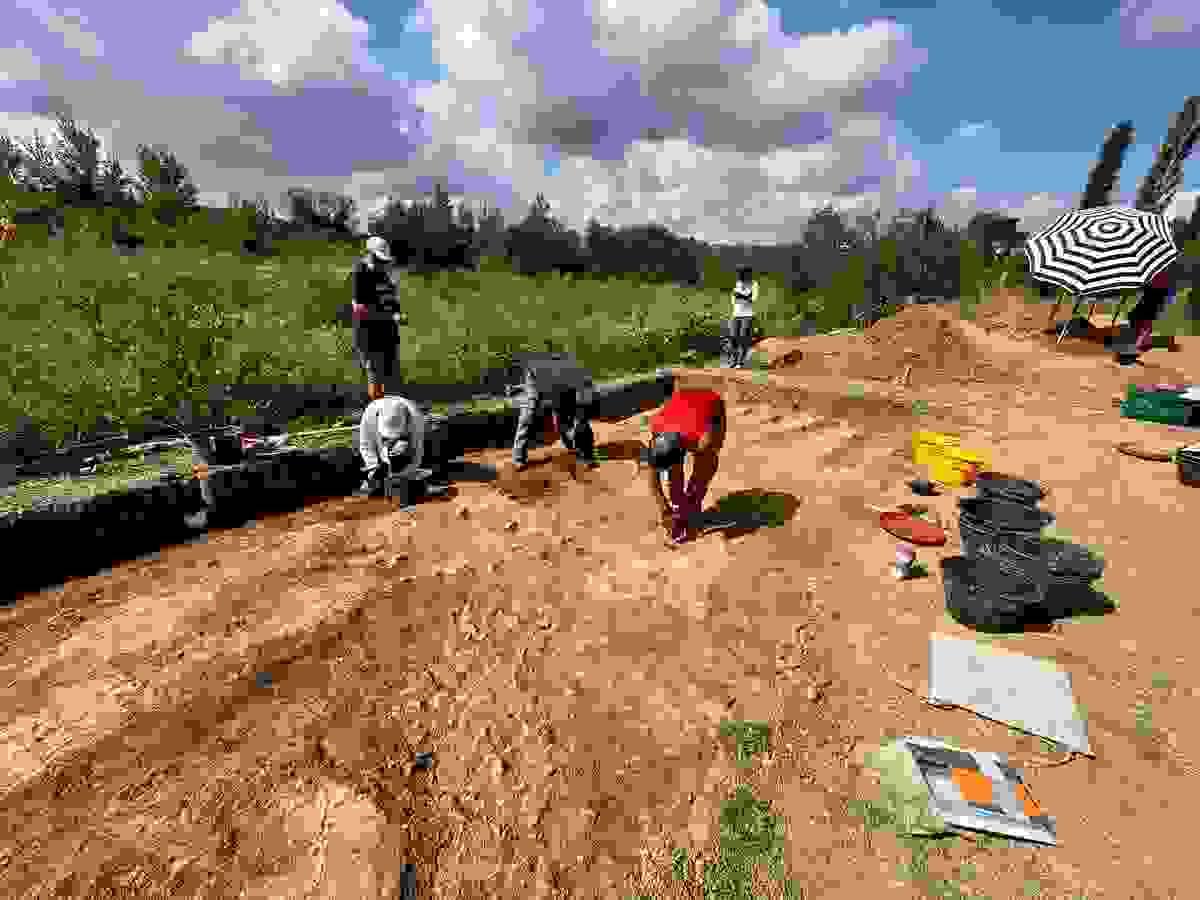
Research
Field and Laboratory Research:
- Director of international projects in Spain and Croatia, leading teams of scholars in archaeological excavation, material analyses, and publication
- Director of Research Laboratories (MedLab, Zooarch Lab)
- Undergraduate and graduate students participate in the field and lab
Teaching:
- Supervision of several PhD and MA students - check out the Medlab Alumni page
Media
Our research has been featured in several international media outlets
Documentary: Caminos del Neolítico
Documentary by Arqueomania featuring our research in Croatia. Aired in 2024 on Spain's RTVE. In Spanish.
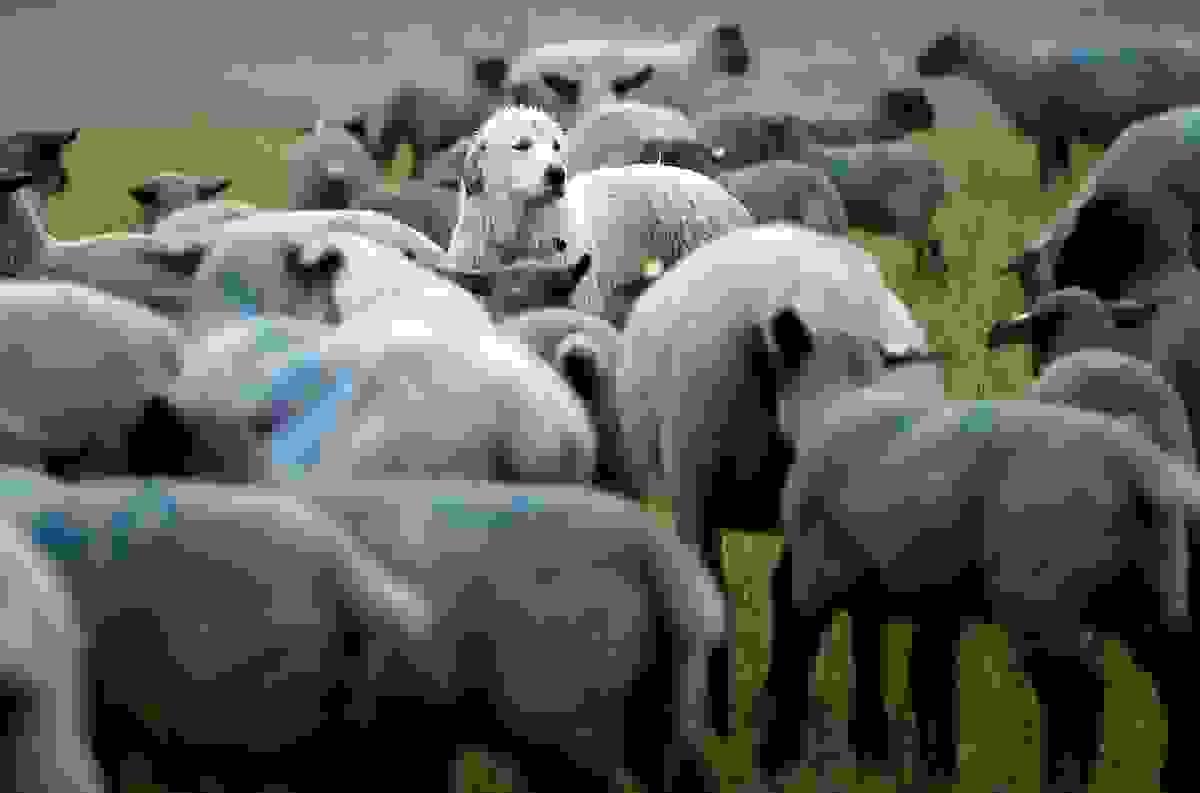
Science news article on our research on Adriatic dogs from the Neolithic to Bronze Age
Feature: Early Mediterranean Cheese Production
International media coverage on our Mediterranean cheese production research included CNN, USA Today, Süddeutsche Zeitung, Daily Mail, BBC News, National Geographic, Newsweek, Ars Technica among others. Live interviews with research team members on BBC World News (Magill), BBC Radio (Magill), Austrian public radio (McClure), Croatian national evening news (McClure); Šibenik radio (Podrug)